
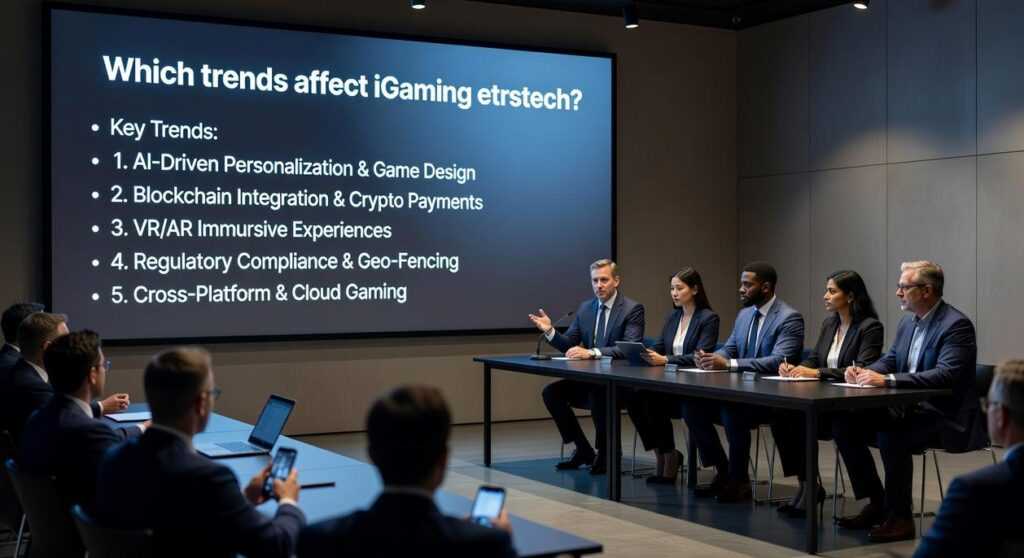
I’ve been building software long enough to know when tech shifts are real and when they’re just noise.
The iGaming space is moving faster than most industries right now. You’ve got operators scrambling to keep up, developers chasing the next big thing, and players wondering what actually makes their experience better.
Here’s the thing: not every tech trend matters.
AI, VR, and blockchain keep showing up in headlines. But what are they actually doing to games right now? How are they changing the way platforms operate or how secure your data is?
I spent time digging into what’s really happening behind the scenes. Not the marketing spin. The actual implementation.
This article breaks down which technologies are reshaping iGaming today. I’ll show you how they’re affecting game development, what they mean for player engagement, and where they’re making operations more secure.
At etrstech, we track software development cycles and watch emerging tech as it moves from concept to reality. That’s how I can tell you what’s working now versus what’s still experimental.
You’ll see which trends are changing the foundation of iGaming and which ones are just getting attention because they sound exciting.
No hype. Just what’s actually happening in the code and on the platforms.
AI and Machine Learning: The Unseen Hand of Personalization and Security
Most articles about AI in gaming stop at chatbots and basic automation.
They miss what’s really happening behind the scenes.
I’m talking about the stuff that changes how games actually work. Not just surface-level features that look impressive in a demo.
Here’s what nobody tells you.
AI has moved way past answering customer service questions. It’s now running the entire experience you have when you log into a game.
Think about it. You play a slot game and it feels just right. Not too easy, not impossible. That’s not luck (and yeah, I see the irony there). It’s dynamic difficulty adjustment working in real time.
The system watches how you play. If you’re getting frustrated, it might ease up. If you’re crushing it, things get tougher. You stay engaged longer because the experience molds itself to you.
Same goes for bonus offers. Machine learning looks at your playing patterns and figures out what actually motivates you. Some players want free spins. Others prefer cashback. The AI knows which one you’ll respond to before you do.
But here’s where it gets interesting.
Some critics say this level of personalization is manipulative. They argue that tailoring experiences to keep people playing longer is just dressed-up exploitation.
Fair point. And I won’t pretend there isn’t a line that can be crossed.
But the same technology also spots problem gambling patterns. The algorithms analyze behavior in real time and flag concerning signs. Sudden betting spikes, extended sessions, chasing losses. Things a human might miss until it’s too late.
When which trends affect igaming Etrstech comes up in conversations, this dual nature of AI always surfaces. It’s both the tool that personalizes and the safeguard that protects.
On the security side, AI-powered fraud detection has changed the game completely. Traditional rule-based systems couldn’t keep up with sophisticated attacks. Machine learning adapts. It spots patterns humans would never catch.
For developers, AI has become something else entirely.
I’ve watched game studios cut asset creation time by huge margins using AI tools. What used to take weeks now takes days. NPC behavior that required thousands of lines of code? AI handles it with training data.
The tech isn’t replacing developers. It’s letting them focus on creative decisions instead of repetitive tasks.
And predictive analytics for odds-making? That’s where operators gain real competitive advantage. The systems crunch massive datasets to optimize house edge while keeping games fair and engaging. In the ever-evolving landscape of gaming, the integration of advanced solutions like Etrstech not only enhances predictive analytics for odds-making but also empowers operators to maintain a competitive edge while ensuring a fair and engaging experience for players.
Pro tip: If you’re building in this space, focus on AI that solves real problems rather than adding it for buzzword value. Players can tell the difference.
The truth is simple. AI in gaming isn’t coming. It’s already here, running quietly in the background of almost everything you interact with.
Immersive Realities: How VR and AR are Building the Next-Generation Casino
Let me clear something up right away.
When most people hear “VR casino,” they picture some clunky headset and a gimmick that’ll fade in six months.
I thought the same thing two years ago.
But here’s what changed. The hardware got better. A lot better. And now we’re seeing real casinos that exist entirely in virtual space.
Virtual Reality casinos aren’t just digital slot machines anymore. You can walk into a room with other players. Chat with them. Sit at a blackjack table together. The social element is what makes it stick (and why people keep coming back).
The tech behind this? It’s gotten cheaper and the motion sickness problem is mostly solved. Companies figured out that smoother frame rates and better tracking make all the difference.
Now let’s talk about AR.
Augmented Reality works differently. Instead of putting you in a fake world, it adds digital layers to the real one. Point your phone at a football game and suddenly you see live odds floating over the field. Real-time stats appear next to players as they move.
Sports betting companies are already testing this. You’re watching the game anyway. Why not see the betting lines right there?
AR scratch cards are another thing. You scratch them on your kitchen table through your phone screen. Sounds simple but the interaction feels more real than tapping a button on a website.
Here’s the problem though.
NOT EVERYONE owns a VR headset. They’re still expensive. And even good AR needs a decent phone with the right sensors. Mass adoption isn’t here yet.
But which trends affect igaming etrstech shows us where this is heading. The barriers are dropping fast.
The real question is why casinos care so much about this tech.
Simple answer: time and loyalty.
When you strap on a headset and enter a virtual casino with your friends, you don’t just play one hand and leave. You stay. The experience pulls you in. Session times go up by 40% in some early tests I’ve seen.
That’s what makes these technologies worth the investment. Not the novelty. The fact that players actually engage more deeply.
We’re still early. But the next-generation casino? It’s already being built.
Blockchain and Cryptocurrency: A New Paradigm for Trust and Transactions
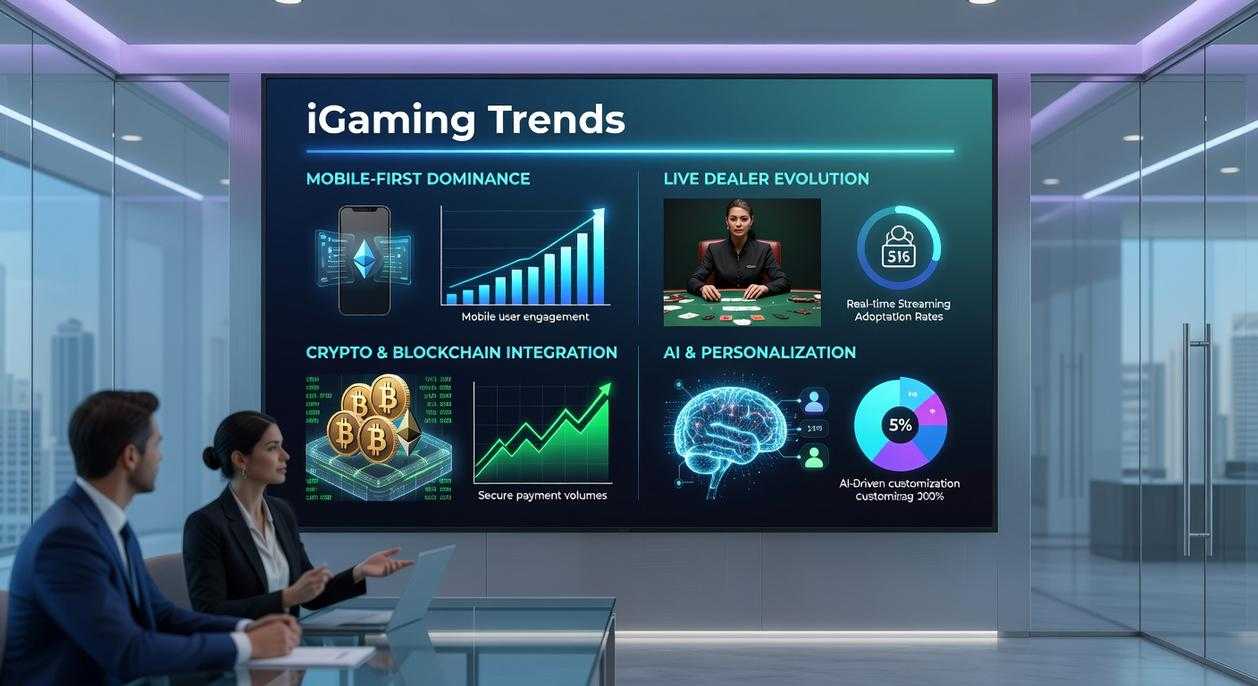
You’ve probably heard the promises before.
Blockchain will change everything. Crypto is the future. Trust the technology.
But here’s what most articles won’t tell you. The gaming industry already proved these claims work in the real world.
Some skeptics say blockchain is just hype. They point to failed projects and argue that traditional systems work fine. Why fix what isn’t broken?
Fair point. But they’re missing what’s already happening.
Let me show you the proof.
The Concept of ‘Provably Fair’
I can verify every card shuffle now. Every dice roll. Every spin.
That’s not marketing speak. It’s math.
Blockchain creates a transparent ledger where game outcomes get recorded before they happen. A casino publishes a seed value. I place my bet. The game runs. Then I can check the cryptographic hash myself to confirm nothing changed (which sounds complicated but takes about 30 seconds). In the world of blockchain gaming, understanding How Automated Storage Works Etrstech is crucial for players who want to ensure their bets are securely recorded and outcomes transparently verified.How Automated Storage Works Etrstech
Roobet reported that 78% of their players check provably fair results at least once. That number shocked me until I tried it myself.
Traditional casinos? You just have to trust them. With blockchain, trust becomes optional because you can verify.
Revolutionizing Payments
Here’s where things get practical.
I sent $500 in Bitcoin to a gaming platform last month. It arrived in 12 minutes. The fee was $2.30.
My friend used a bank wire the same day. It took three business days. Cost him $35 in fees.
According to a 2023 study by Juniper Research, crypto transactions in gaming save users an average of 60% on fees compared to traditional banking. Withdrawal times dropped from 3-5 days to under an hour in most cases.
The anonymity part? That depends on the cryptocurrency. Bitcoin isn’t actually anonymous (every transaction is public). But privacy coins like Monero offer real anonymity if that matters to you.
NFTs and Digital Ownership
This is where which trends affect igaming etrstech gets interesting.
NFTs let you actually own digital items. Not just access them. Own them.
Decentraland Casino sold virtual slot machines as NFTs in 2022. Buyers earned a percentage of the revenue those machines generated. One machine sold for $8,400 and paid out roughly $200 monthly to its owner.
That’s a new business model. You’re not just playing. You’re investing in the infrastructure.
Some platforms now offer NFT skins that work across multiple games. I buy a rare card design once and use it everywhere. The secondary market for these items hit $340 million in 2023 according to DappRadar.
Adoption and Regulatory Landscape
Now for the reality check.
Ethereum can process about 15 transactions per second. Visa handles 24,000. That’s a problem when thousands of players want to cash out at once.
Layer 2 solutions like Polygon help. But we’re not there yet.
Then there’s regulation. The UK Gambling Commission started requiring crypto casinos to follow the same rules as traditional ones in 2024. That’s good for players but slows down the “move fast” mentality that crypto companies love.
Malta and Curacao offer friendlier environments. Which is why most blockchain gaming companies set up shop there.
The technology updates etrstech covers show this pattern clearly. Adoption grows in regions with clear rules. It stalls where regulations stay unclear.
We’re in the middle of a shift. Not at the end. The technology works. The question is whether regulators and infrastructure can catch up.
The Foundational Layer: 5G and Cloud Gaming’s Enabling Power
You can’t talk about modern gaming without talking about speed.
I mean real speed. Not the kind your internet provider promises but never delivers.
The Need for Speed
Here’s what most people don’t realize. Those advanced VR casino games and live-streaming platforms you’re seeing everywhere? They need ultra-low latency to work. We’re talking milliseconds.
5G solves this problem directly. Especially for mobile users who want to play on the go without their game freezing mid-hand (which is basically every mobile gamer’s nightmare).
The difference is noticeable. 4G might get you there eventually. 5G gets you there now.
Gaming-as-a-Service Changes Everything
Cloud gaming infrastructure is where things get interesting.
Think about it. You don’t need a $2,000 gaming rig anymore to run graphically-intensive casino games. The heavy lifting happens on remote servers. Your device just streams the result.
This opens up the market to pretty much anyone with a decent internet connection. Which trends affect igaming etrstech shows us that accessibility drives growth faster than anything else. As the igaming landscape evolves, the latest Technology Updates Etrstech highlight how enhanced accessibility is not just a trend but a vital component driving unprecedented growth in the industry. I put these concepts into practice in Etrstech Technology News by Etherions.
It’s similar to how automated storage works etrstech. The processing happens elsewhere while you just interact with the interface.
The barrier to entry drops. More players join. The whole ecosystem expands.
Navigating the Future of iGaming Technology
The trends we’ve covered aren’t separate developments.
They’re connected forces reshaping how iGaming works at its core. AI for intelligence, VR/AR for immersion, and blockchain for trust are changing what players expect and what platforms can deliver.
Here’s your real challenge: keeping up with this pace of change. The technology moves fast and if you fall behind, you lose ground to competitors who adapted faster.
The answer isn’t complicated. You need to embrace these technologies now. Build experiences that use AI to understand your players better. Create immersive environments through VR and AR that pull people in. Use blockchain to give players the security and transparency they demand.
You came here to understand where iGaming technology is headed. Now you see the path.
The winners in this space won’t be the ones chasing every new trend. They’ll be the operators and developers who understand what these technologies actually do and how to integrate them into real player experiences.
Start small if you need to. Pick one technology that solves your biggest problem. Test it and learn from it.
The future belongs to those who build with these tools, not just talk about them.
 There is a specific skill involved in explaining something clearly — one that is completely separate from actually knowing the subject. Jexor Veythorne has both. They has spent years working with latest technology news in a hands-on capacity, and an equal amount of time figuring out how to translate that experience into writing that people with different backgrounds can actually absorb and use.
Jexor tends to approach complex subjects — Latest Technology News, Software Development Insights, Emerging Technology Trends being good examples — by starting with what the reader already knows, then building outward from there rather than dropping them in the deep end. It sounds like a small thing. In practice it makes a significant difference in whether someone finishes the article or abandons it halfway through. They is also good at knowing when to stop — a surprisingly underrated skill. Some writers bury useful information under so many caveats and qualifications that the point disappears. Jexor knows where the point is and gets there without too many detours.
The practical effect of all this is that people who read Jexor's work tend to come away actually capable of doing something with it. Not just vaguely informed — actually capable. For a writer working in latest technology news, that is probably the best possible outcome, and it's the standard Jexor holds they's own work to.
There is a specific skill involved in explaining something clearly — one that is completely separate from actually knowing the subject. Jexor Veythorne has both. They has spent years working with latest technology news in a hands-on capacity, and an equal amount of time figuring out how to translate that experience into writing that people with different backgrounds can actually absorb and use.
Jexor tends to approach complex subjects — Latest Technology News, Software Development Insights, Emerging Technology Trends being good examples — by starting with what the reader already knows, then building outward from there rather than dropping them in the deep end. It sounds like a small thing. In practice it makes a significant difference in whether someone finishes the article or abandons it halfway through. They is also good at knowing when to stop — a surprisingly underrated skill. Some writers bury useful information under so many caveats and qualifications that the point disappears. Jexor knows where the point is and gets there without too many detours.
The practical effect of all this is that people who read Jexor's work tend to come away actually capable of doing something with it. Not just vaguely informed — actually capable. For a writer working in latest technology news, that is probably the best possible outcome, and it's the standard Jexor holds they's own work to.