
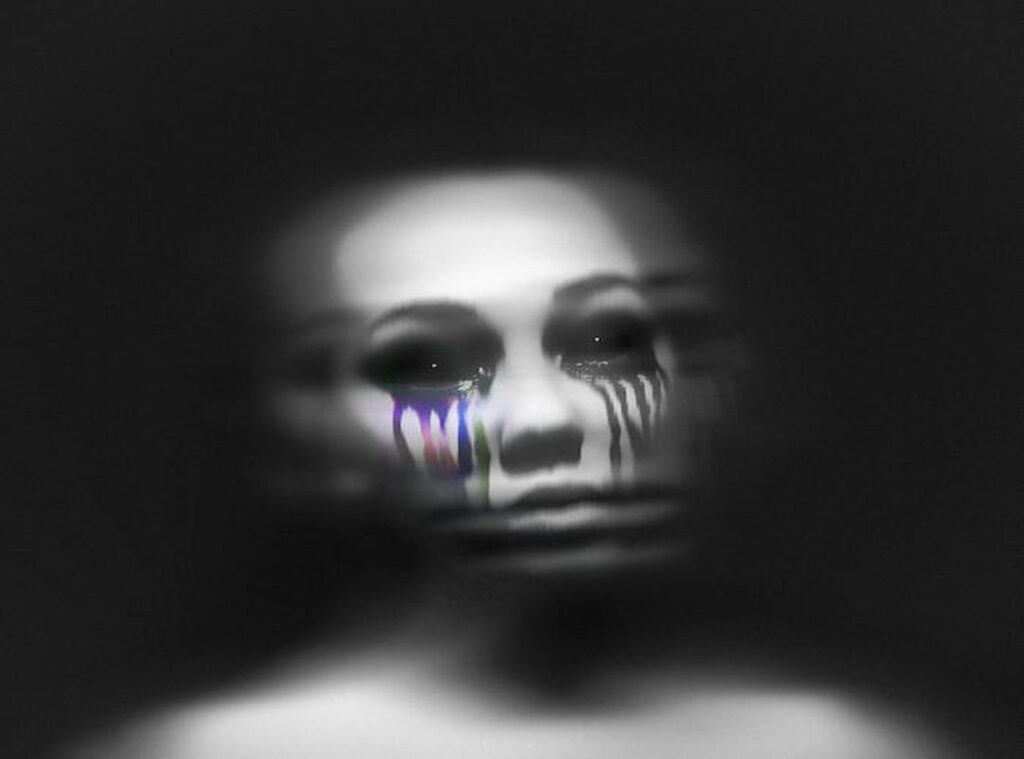
Picture Eeyore, that gloomy donkey from Winnie the Pooh, or depressed sad meme face—those expressions hit you right in the feels. Drawing a genuinely melancholy expression isn’t as simple as flipping a smile upside down. It’s about understanding the subtle cues that make an image speak to your soul.
This article will break down the essential artistic techniques and psychological triggers needed to master this evocative expression. We’re not just talking about drawing tips here; we’re diving into the anatomy of emotion in animation. Whether you’re an artist, an animator, or just a fan, this guide will help you create and understand the power of a melancholy cartoon expression.
Beyond the Frown: Key Anatomical Features of a Melancholy Face
When it comes to expressing sadness, the eyes are the primary communicators. Heavy, half-closed upper eyelids that droop over the pupils create a look of weariness and sorrow.
The eyebrows play a crucial role too. The ‘grief muscle’ effect pulls the inner corners up and together, forming a worried, arched shape.
The mouth has subtle cues. A slight downturn at the corners or a flat, tense line is often more effective than an exaggerated frown. Parted lips can suggest vulnerability.
Facial tension, or lack thereof, is important. Slack jaw muscles and slightly hollowed cheeks contribute to a feeling of exhaustion and defeat.
Think about the difference between a simple ???? (sad face) emoji and a nuanced melancholy expression. The latter incorporates these key features, making it more realistic and relatable.
Pro tip: asymmetry. A slightly uneven expression often feels more authentic and less staged to the viewer.
So, what’s next? You might be wondering how to practice this. Try looking in the mirror and experimenting with these subtle changes.
Notice how small adjustments can make a big difference.
Case Studies in Sorrow: How Iconic Characters Convey Sadness
Eeyore from ‘Winnie the Pooh’ is a classic example. His perpetually droopy eyelids and low-set eyebrows say it all. His entire posture, with his head hanging low, reinforces that sad expression.
Sadness from Pixar’s ‘Inside Out’ is another great case. Her large, downturned eyes and the shape of her mouth convey a deep sense of dejection. The muted blue color palette enhances the emotional tone, making her sadness almost palpable.
BoJack Horseman shows a more complex, adult form of existential sadness. His tired eyes and tense mouth carry a weight of melancholy. It’s a subtle but powerful way to show the depth of his character.
Charlie Brown is an example of minimalist melancholy. Simple lines for the eyes and mouth, combined with a slumped posture, effectively communicate his classic ‘good grief’ feeling. It’s amazing how a few lines can say so much.
Why are these specific artistic choices so effective? They tap into universal human emotions. Eeyore’s drooping features and posture mirror our own physical reactions to sadness.
Sadness’s blue color and downturned features are a visual shorthand for dejection. BoJack’s subtle expressions reflect the complexity of adult sorrow. Charlie Brown’s minimalism shows that sometimes less is more.
These characters connect with us because we see ourselves in them. (And let’s be real, who hasn’t felt like this: depressed sad meme face at some point?) Understanding these design elements helps us appreciate the artistry behind these iconic sad faces.
A Practical Guide: How to Draw a Melancholy Expression Step-by-Step
Drawing a melancholy expression can be a bit tricky, but with the right steps, you can capture that feeling of sadness and dejection. Let’s break it down.
First, start with the eyebrows. Draw them angled upwards towards the center of the face. This creates that signature look of worry and grief.
Next, shape the eyes. The upper eyelids should be heavy arcs that slightly cover the top of the iris or pupil. This gives the character a tired, heavy-hearted appearance.
Moving on to the mouth. Draw a gentle, shallow downturned curve or a nearly flat line with just the corners pulled down. Avoid a deep, cartoonish frown.
It’s all about subtlety here.
Add some subtle details. Faint creases under the eyes, a slight shadow on the face, or even a single, well-placed tear can amplify the emotion.
The overall head posture is important too. Suggest a slight downward tilt of the head to reinforce the feeling of dejection. Think of a depressed sad meme face for inspiration.
Finally, use softer, less confident lines. This helps convey the vulnerability of the character. Remember, the key is in the details and the overall expression.
If you’re sharing your artwork online, make sure to secure wordpress site with cloudflare to keep your work safe.
The Psychology of a Sad Cartoon: Why We Empathize With a Drawing
You ever wonder why a simple drawing can make you feel so much? It’s all about empathy. Our brains are wired to pick up on visual cues, and a sad cartoon face is no exception.
When we see a character with droopy eyes and a frown, our mirror neurons kick in. These little guys in our brain help us feel what the character is feeling. It’s like we’re right there with them, sharing their sadness.
But it’s not just about being sad. A melancholy expression can convey a whole range of emotions. Loneliness, regret, disappointment, or even deep contemplation.
(It’s like when you stare at your empty fridge at 2 AM, wondering where all the snacks went.)
Now, here’s the kicker. When a typically cheerful character suddenly looks sad, it hits us hard. It’s like seeing a clown cry.
(Not that I recommend it, but you get the idea.) This contrast makes the moment incredibly impactful and memorable.
Supporting elements in the scene play a big role too. A muted color palette—think cool blues and grays—along with soft, low-key lighting, set the perfect somber mood. It’s like the whole world is in on the character’s sadness.
And let’s not forget the power of relatability. A sad expression shows vulnerability and depth, making the character more three-dimensional. We connect with them on a personal level.
(Kind of like how you feel when you see a depressed sad meme face. ????)
In the end, it’s all about creating a connection. A sad cartoon face isn’t just a drawing; it’s a way to share a piece of ourselves and understand each other a little better.
Capturing Authentic Emotion in Every Line
True melancholy in art comes from the subtle interplay of the eyes, eyebrows, and posture, not just an obvious frown. Mastering this expression allows an artist to tell deeper, more emotionally resonant stories and create characters that truly connect with an audience.
The solution lies in observing these details in real life and in the work of master animators, then applying them with intention.
depressed sad meme face
Use the step-by-step guide to practice drawing the expression and actively look for these techniques the next time you watch an animated film. A single, well-drawn expression can convey more emotion than a page of dialogue.
 Brendara Perezions writes the kind of latest technology news content that people actually send to each other. Not because it's flashy or controversial, but because it's the sort of thing where you read it and immediately think of three people who need to see it. Brendara has a talent for identifying the questions that a lot of people have but haven't quite figured out how to articulate yet — and then answering them properly.
They covers a lot of ground: Latest Technology News, Tech Tutorials and How-To Guides, Emerging Technology Trends, and plenty of adjacent territory that doesn't always get treated with the same seriousness. The consistency across all of it is a certain kind of respect for the reader. Brendara doesn't assume people are stupid, and they doesn't assume they know everything either. They writes for someone who is genuinely trying to figure something out — because that's usually who's actually reading. That assumption shapes everything from how they structures an explanation to how much background they includes before getting to the point.
Beyond the practical stuff, there's something in Brendara's writing that reflects a real investment in the subject — not performed enthusiasm, but the kind of sustained interest that produces insight over time. They has been paying attention to latest technology news long enough that they notices things a more casual observer would miss. That depth shows up in the work in ways that are hard to fake.
Brendara Perezions writes the kind of latest technology news content that people actually send to each other. Not because it's flashy or controversial, but because it's the sort of thing where you read it and immediately think of three people who need to see it. Brendara has a talent for identifying the questions that a lot of people have but haven't quite figured out how to articulate yet — and then answering them properly.
They covers a lot of ground: Latest Technology News, Tech Tutorials and How-To Guides, Emerging Technology Trends, and plenty of adjacent territory that doesn't always get treated with the same seriousness. The consistency across all of it is a certain kind of respect for the reader. Brendara doesn't assume people are stupid, and they doesn't assume they know everything either. They writes for someone who is genuinely trying to figure something out — because that's usually who's actually reading. That assumption shapes everything from how they structures an explanation to how much background they includes before getting to the point.
Beyond the practical stuff, there's something in Brendara's writing that reflects a real investment in the subject — not performed enthusiasm, but the kind of sustained interest that produces insight over time. They has been paying attention to latest technology news long enough that they notices things a more casual observer would miss. That depth shows up in the work in ways that are hard to fake.