
You’re looking for Google Drive collections, right? Well, let me tell you, that was an old feature. It’s been replaced by a more powerful and flexible system of folders, labels, and shortcuts.
This article will guide you through the modern methods for organizing files.
These new tools can help you transform a cluttered Drive into a clean, easily searchable digital workspace. No more wasting time digging through endless folders.
We’ll cover how to master folder structures and use labels to group files across different locations. Trust me, it’s a game changer.
What Happened to Collections? The Shift to a Smarter System
Google Drive Collections were like a tag system. You could assign one file to multiple collections without moving it. It was a neat idea, but not everyone got it.
Why did Google phase out Collections, and let’s break it down. In 2019, Google announced they were moving away from Collections.
They wanted a more universally understood folder-based hierarchy.
One user told me, “I loved Collections, but my team was always confused about where files were actually stored.”
The primary limitation of the old system was that confusion. People couldn’t figure out where a file was truly located. It led to a lot of frustration and wasted time.
Now, the current system combines folders with shortcuts and labels. This setup replicates the flexibility of Collections without the confusion. It’s a win-win.
While the name is gone, the functionality lives on in a more evolved form. If you miss the old feature, don’t worry. With the new tools, you can achieve even better organization.
Another user said, “I was skeptical at first, but now I see how much cleaner and more efficient the new system is.”
So, if you’re still using the old method, give the new one a try. Head over to site drive.google.com packs and see for yourself.
Mastering Folders: The Foundation of Your Digital Filing Cabinet
A few years back, I was working on a major project with multiple clients and tight deadlines. My desktop was a mess. Files were scattered everywhere, and I couldn’t find anything.
It was a nightmare.
Start with a clear folder structure. Organize by project, date (e.g., ‘2024-Q3’), or client name. This way, you can quickly locate what you need without wasting time.
Color-coding is a game-changer. Use different colors for different types of projects or categories. At a glance, you can see which folders are most important or urgent.
Pro tip: Use nested folders to break down large projects into manageable parts. For example, ‘Project X > Assets > Drafts’. This keeps everything organized and easy to find.
Understanding the difference between ‘Move to’ and ‘Add shortcut’ is crucial. Moving a file means it’s only in one place. Adding a shortcut lets you access the same file from multiple folders without duplicating it.
This saves space and keeps your files tidy.
Consistent file naming conventions are key, and use a format like ‘ProjectName_DocumentType_Date.docx’. This makes searching for specific documents a breeze.
No more sifting through endless files.
site drive.google.com packs
Creating a logical folder structure and using these tips will transform your digital filing system. You’ll save time, reduce stress, and stay on top of your projects.
Beyond Folders: Using Labels to Create Dynamic Collections
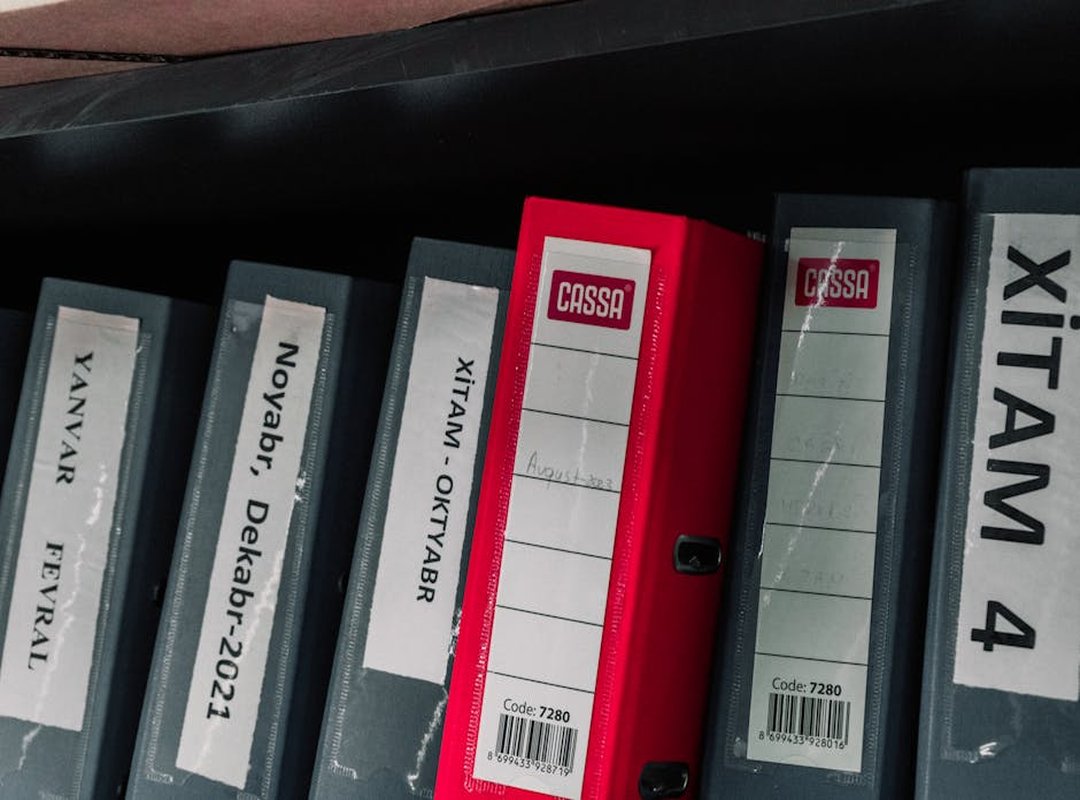
Folders are great, but they’re not enough. You need a way to organize your files that’s more flexible and powerful. Enter Labels in Google Drive.
This feature lets you tag any file or folder with metadata, making it the true modern successor to traditional collections.
First, let’s create a new label. Go to Google Drive and click on the three dots next to any file or folder. Select Add label, then type in a name like ‘Urgent Review’ or ‘Final Version’.
Now, apply this label to multiple files. Just select the files you want, click on the three dots, and choose Add label. Simple, right?
Here’s where it gets really useful. You can filter your entire Google Drive view by a specific label. Just type the label name into the search bar at the top.
Boom! Every tagged file, no matter where it’s stored, appears instantly.
Imagine you’re a team lead. You have documents in ‘Marketing’, ‘Sales’, and ‘Development’ folders. By labeling them all with ‘Q4-Initiative’, you can see every related file in one click.
No more digging through folders.
You can even combine labels with colors for an even better visual organization system. Just pick a color when you create a label. It makes everything pop and easier to spot.
Remember, folders are for where a file lives. Labels are for what a file is about. This distinction is key.
It means you can keep your folder structure as is, but add a layer of metadata that makes finding and organizing files a breeze.
If you want to dive deeper into tech tips and tutorials, check out Etrstech. They’ve got a ton of resources to help you get the most out of your tech tools.
Quick-Access Tricks: Starring, Workspaces, and Advanced Search
Ever feel like you’re drowning in a sea of files? I know I do. That’s where the ‘Starred’ feature on site drive.google.com comes in handy.
It’s a simple way to keep your most important or frequently accessed files right at your fingertips.
Think of it as a temporary collection for stuff you’re actively working on. No more sifting through endless folders just to find that one document.
Now, if you need something more robust, check out the ‘Priority’ page and ‘Workspaces.’ These let you manually curate a custom dashboard for specific projects. It’s like having a personalized control center for all your key files and folders.
But what if you want to go even deeper? Enter advanced search operators. For example, using ‘type:spreadsheet’ or ‘owner:me’ can help you create a saved search.
This acts as an automated collection, pulling up exactly what you need, when you need it.
These power-user tools are perfect for those who need an extra layer of on-demand organization. They save time and reduce the frustration of constantly searching for files.
From Digital Chaos to Complete Control
Google Drive’s organization tools have evolved far beyond the original ‘collections’ feature.
A logical folder structure, flexible labels for cross-folder grouping, and shortcuts for access are the three core strategies for modern organization.
Log into your Drive right now and create your first label for an active project.
Enjoy the productivity and peace of mind that comes from having a perfectly organized digital workspace.
 Brendara Perezions writes the kind of latest technology news content that people actually send to each other. Not because it's flashy or controversial, but because it's the sort of thing where you read it and immediately think of three people who need to see it. Brendara has a talent for identifying the questions that a lot of people have but haven't quite figured out how to articulate yet — and then answering them properly.
They covers a lot of ground: Latest Technology News, Tech Tutorials and How-To Guides, Emerging Technology Trends, and plenty of adjacent territory that doesn't always get treated with the same seriousness. The consistency across all of it is a certain kind of respect for the reader. Brendara doesn't assume people are stupid, and they doesn't assume they know everything either. They writes for someone who is genuinely trying to figure something out — because that's usually who's actually reading. That assumption shapes everything from how they structures an explanation to how much background they includes before getting to the point.
Beyond the practical stuff, there's something in Brendara's writing that reflects a real investment in the subject — not performed enthusiasm, but the kind of sustained interest that produces insight over time. They has been paying attention to latest technology news long enough that they notices things a more casual observer would miss. That depth shows up in the work in ways that are hard to fake.
Brendara Perezions writes the kind of latest technology news content that people actually send to each other. Not because it's flashy or controversial, but because it's the sort of thing where you read it and immediately think of three people who need to see it. Brendara has a talent for identifying the questions that a lot of people have but haven't quite figured out how to articulate yet — and then answering them properly.
They covers a lot of ground: Latest Technology News, Tech Tutorials and How-To Guides, Emerging Technology Trends, and plenty of adjacent territory that doesn't always get treated with the same seriousness. The consistency across all of it is a certain kind of respect for the reader. Brendara doesn't assume people are stupid, and they doesn't assume they know everything either. They writes for someone who is genuinely trying to figure something out — because that's usually who's actually reading. That assumption shapes everything from how they structures an explanation to how much background they includes before getting to the point.
Beyond the practical stuff, there's something in Brendara's writing that reflects a real investment in the subject — not performed enthusiasm, but the kind of sustained interest that produces insight over time. They has been paying attention to latest technology news long enough that they notices things a more casual observer would miss. That depth shows up in the work in ways that are hard to fake.