

405 pounds (lbs) is equal to approximately 183.7 kilograms (kg).
| Pounds (lbs) | Kilograms (kg) |
|---|---|
| 405 lbs | 183.7 kg |
This conversion is essential for anyone dealing with international measurements, whether for travel, fitness, or shipping. It’s not just about the number; it’s about understanding how to convert any pound value to kilograms. The process is simple and straightforward.
I’ll show you the exact formula, provide some helpful context, and even walk you through how to do the calculation yourself. This way, you can convert any number on your own.
The Step-by-Step Formula for Any lbs to kg Conversion
Let’s dive into the universal conversion factor: 1 kilogram is equal to approximately 2.20462 pounds.
Now, here’s the simple formula for converting pounds to kilograms:
– Kilograms = Pounds / 2.20462.
Imagine you have a weight of 405 lbs. To convert it, start with the value in pounds (405). Then, divide it by the conversion factor (2.20462).
Here’s the math:
– 405 / 2.20462 = 183.704… kg.
In real life, you might see this on a digital scale, the numbers flickering and settling on 183.704. But for practical use, we usually round it.
Why? Because seeing 183.7 kg on a gym weight or a package label is much easier to read and understand. It feels more tangible, like picking up a dumbbell that says 183.7 kg.
For quick and easy mental math, try this tip:
– Divide the pounds by 2.2, or even just divide by 2 and subtract a little. This gives you a rough but useful estimate.
So, next time you need to convert 405lbs to.kg, you know exactly what to do.
Why These Units Matter: The Imperial vs. Metric System
Pounds (lbs) are part of the Imperial system, mainly used in the United States. Kilograms (kg), on the other hand, are the base unit of mass in the Metric system (or International System of Units, SI), used by most countries worldwide.
Knowing the conversion between these units is crucial in various scenarios. For instance, when you travel internationally, baggage weight limits are often given in kilograms. You don’t want to be that person at the airport, frantically repacking because your suitcase is over the limit.
In science and medicine, precise measurements are essential. Dosages and medical equipment often use metric units. Imagine a nurse trying to convert 405lbs to.kg quickly to administer the right dose.
It’s not just about convenience; it’s about safety and accuracy.
Sports like weightlifting and boxing also rely on these conversions. Weight classes in boxing are typically defined in pounds, but international competitions might use kilograms. Understanding both systems can mean the difference between qualifying for a competition or sitting it out.
The U.S. continues to use the Imperial system due to historical and practical reasons. Changing an entire country’s measurement system is no small feat. However, in a globalized world, knowing both systems is key to avoiding confusion and costly mistakes. 405lbs to.kg
Pro tip: Keep a handy conversion app on your phone. It’ll save you time and stress, whether you’re traveling, working, or competing.
What Does 405 Pounds Actually Feel Like? Real-World Comparisons
To give you a tangible sense of the weight, let’s compare 405 lbs (183.7 kg) to some common objects.
In the world of fitness, 405 lbs is a significant weight in powerlifting. It’s equivalent to a very heavy deadlift or squat for an advanced athlete.
When it comes to animals, 405 lbs is roughly the weight of an adult male lion or a large pig. Can you imagine lifting one of those?
For everyday objects, think about a large motorcycle, like a Harley-Davidson Sportster. Or picture two average American men. That’s how much 405 lbs weighs.
These comparisons help translate the abstract number into a concrete concept. It makes the information more memorable and useful for you.
Frequently Asked Questions About Weight Conversions
Q1: How do I convert kilograms back to pounds?
Pounds = Kilograms * 2.20462. For example, 183.7 kg converts back to 405 lbs.
Easy peasy.
Q2: Is there a difference between ‘lbs’ and ‘pounds’?
Nope, they’re the same thing. ‘Lbs’ is just the abbreviation for pounds, like how ‘lol’ means ‘laugh out loud’ in texts.
It comes from the Roman word ‘libra.’
Q3: What is the most accurate conversion factor to use?
While 2.2 is handy for quick estimates, 2.20462 is the more precise factor for accurate calculations. Think of it as the difference between a rough sketch and a detailed drawing.
Q4: Why are gym weights in both lbs and kg?
It’s all about where you are and who made the equipment. In the U.S., you’ll see lots of pounds, but many international gyms prefer kilograms.
Some manufacturers even mix it up to keep us on our toes.
So, next time you’re at the gym, you might see 405lbs to.kg on the weight plates. Just remember, it’s all about making sure everyone can lift, no matter where they’re from.
Converting Pounds to Kilograms
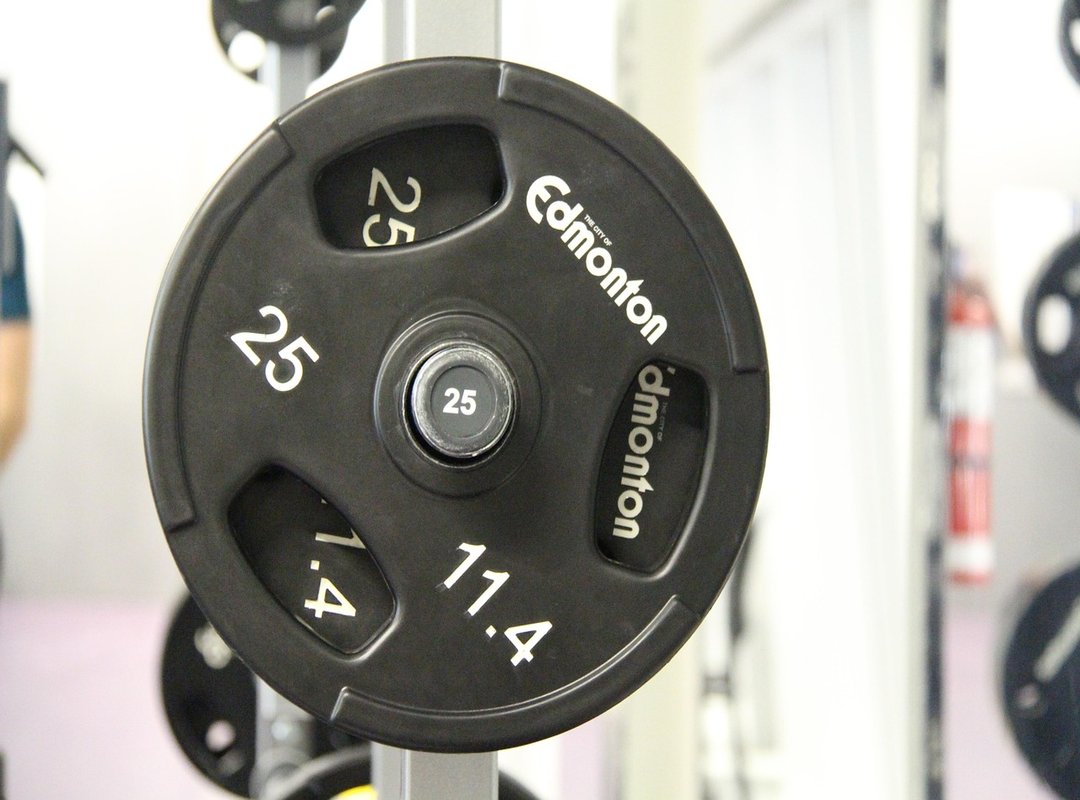
When converting pounds to kilograms, it’s important to use the correct conversion factor. 405lbs to.kg is a specific conversion you might need. To convert 405 pounds to kilograms, multiply by 0.45359237.
 Brendara Perezions writes the kind of latest technology news content that people actually send to each other. Not because it's flashy or controversial, but because it's the sort of thing where you read it and immediately think of three people who need to see it. Brendara has a talent for identifying the questions that a lot of people have but haven't quite figured out how to articulate yet — and then answering them properly.
They covers a lot of ground: Latest Technology News, Tech Tutorials and How-To Guides, Emerging Technology Trends, and plenty of adjacent territory that doesn't always get treated with the same seriousness. The consistency across all of it is a certain kind of respect for the reader. Brendara doesn't assume people are stupid, and they doesn't assume they know everything either. They writes for someone who is genuinely trying to figure something out — because that's usually who's actually reading. That assumption shapes everything from how they structures an explanation to how much background they includes before getting to the point.
Beyond the practical stuff, there's something in Brendara's writing that reflects a real investment in the subject — not performed enthusiasm, but the kind of sustained interest that produces insight over time. They has been paying attention to latest technology news long enough that they notices things a more casual observer would miss. That depth shows up in the work in ways that are hard to fake.
Brendara Perezions writes the kind of latest technology news content that people actually send to each other. Not because it's flashy or controversial, but because it's the sort of thing where you read it and immediately think of three people who need to see it. Brendara has a talent for identifying the questions that a lot of people have but haven't quite figured out how to articulate yet — and then answering them properly.
They covers a lot of ground: Latest Technology News, Tech Tutorials and How-To Guides, Emerging Technology Trends, and plenty of adjacent territory that doesn't always get treated with the same seriousness. The consistency across all of it is a certain kind of respect for the reader. Brendara doesn't assume people are stupid, and they doesn't assume they know everything either. They writes for someone who is genuinely trying to figure something out — because that's usually who's actually reading. That assumption shapes everything from how they structures an explanation to how much background they includes before getting to the point.
Beyond the practical stuff, there's something in Brendara's writing that reflects a real investment in the subject — not performed enthusiasm, but the kind of sustained interest that produces insight over time. They has been paying attention to latest technology news long enough that they notices things a more casual observer would miss. That depth shows up in the work in ways that are hard to fake.