The Scope: This guide gives you a clear look at the key legal best practices for software developers. It’s all about protecting your intellectual property.
The Problem: You’ve put in a lot of time and effort into building your Shotscribus software. Now, you need to protect it from piracy, unauthorized access, and misuse. How Can Shotscribus Software Be Protected? That’s the big question.
Why Trust Us: I bring a wealth of experience in the software development lifecycle and a solid understanding of how technology and intellectual property law intersect.
Search Intent Alignment: You’ll get a straightforward, actionable framework of legal strategies. These will help you safeguard your software, your revenue, and all your hard work.
Understanding the Core Pillars of Software IP Protection
Why a multi-layered approach is crucial: No single method can fully protect your software. A strong defense combines several legal and technical strategies.
The four key legal instruments are copyrights, patents, trademarks, and licensing agreements (EULAs). Each plays a unique role in safeguarding your intellectual property.
Proactive vs. reactive protection: Legal protections must be in place before problems arise. Waiting until your software is pirated is too late.
Differentiating your code from your brand: Protecting the underlying source code (with copyrights or patents) is different from protecting the software’s name and logo (with trademarks).
Some might argue that focusing on multiple layers of protection is overkill. They might say it’s too complex and time-consuming. But think about it: if one layer fails, you have others to fall back on. It’s like having a backup plan for your most valuable asset.
How Can Shotscribus Software Be Protected covers these points in more detail.
Copyright: The Automatic First Line of Defense
When you write code, copyright automatically protects the literal expression of your source code and object code the moment it’s created. This means no one can copy or use your exact code without your permission.
However, copyright does not protect the ideas, algorithms, or functional concepts behind the code. Those are a different story.
So, why should you care about copyright? Registering your copyright with the U.S. Copyright Office gives you significant advantages. For one, you can sue for statutory damages and attorney’s fees if someone infringes on your work. That’s a big deal.
How can Shotscribus software be protected? By following some best practices. Place copyright notices in your source code headers (e.g., © 2024 Your Company Name). Maintain version control history as evidence of creation. And don’t forget to register key versions of the software with the U.S. Copyright Office.
These steps ensure that you have a strong legal foundation. They help you prove ownership and give you more options if you ever need to take legal action. In short, they make your job easier and your software safer.
Software Patents: Protecting Novel Functionality
When to Consider a Patent
Patents protect unique, non-obvious inventions and processes. For software, this means the function of the software, not the code itself. If you have a new and innovative way your software works, a patent might be worth considering.
The High Bar for Patentability
To get a patent, your invention needs to meet three key criteria: novelty, utility, and non-obviousness. For example, if Shotscribus developed a unique data processing method that no one else has used before, it could be a good candidate for a patent.
Pros and Cons
A patent gives you a 20-year monopoly on your invention. That’s a big deal. But it’s not all sunshine and rainbows. Patents are expensive, take a long time to get, and require you to disclose your invention publicly. It’s a trade-off.
Developer Takeaway
How Can Shotscribus Software Be Protected? Patents are a strategic business decision for truly groundbreaking software features, not a standard practice for all code. Most of the time, other forms of protection like copyrights and trade secrets are more practical and cost-effective.
Contrarian Takes
Here’s where I disagree with the common wisdom. Many in the tech community argue that patents stifle innovation. They say the high costs and legal battles make it hard for small companies to compete. While there’s some truth to that, patents can also drive innovation by giving inventors a clear incentive to create something new. It’s not a one-size-fits-all solution, but it’s not a bad word either.
If you’re developing something truly novel, a patent might be the right move. Just make sure you weigh the pros and cons carefully.
Trademarks: Guarding Your Brand and Identity
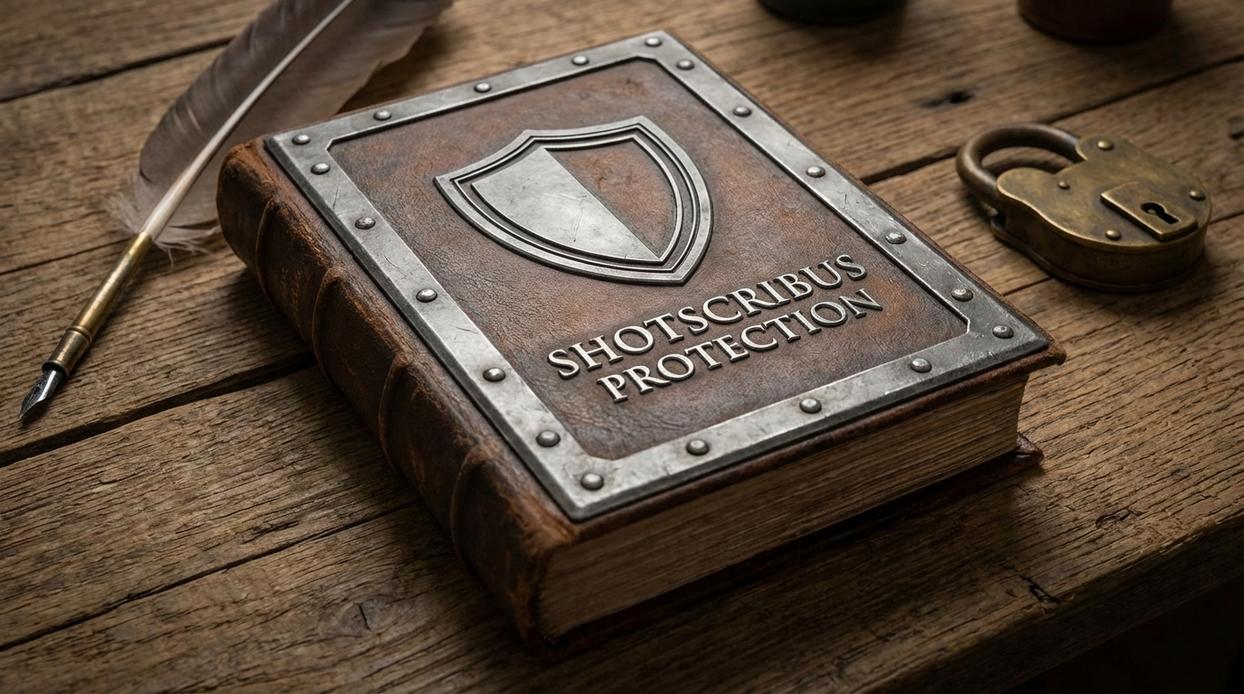
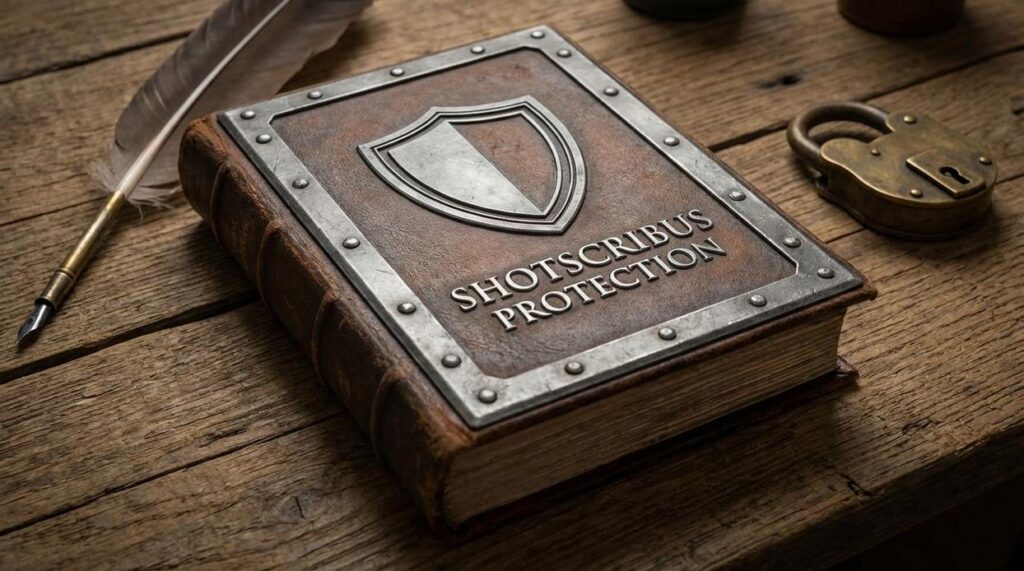
How Can Shotscribus Software Be Protected? A trademark is your first line of defense. It protects the name ‘Shotscribus’, its logo, and any associated slogans from being used by competitors.
The primary goal of a trademark is to prevent user confusion. When customers see your brand, they should know the software comes from you and not some other company.
To get started, conduct a trademark search to make sure no one else is using a similar name or logo. Once you’re clear, register with the USPTO. Use the ™ symbol while your application is pending and the ® symbol once it’s approved. This shows others that you take your brand seriously.
If you need to uninstall Shotscribus, check out the official site for detailed instructions.
EULAs and Terms of Service: Setting the Rules of the Game
When you create software, you need to set clear rules for how it can be used. That’s where the End-User License Agreement (EULA) or Terms of Service (ToS) come in. These are legally binding contracts between you and the user.
Essential Clauses for Protection
Here’s what you should include:
- License Grant: Clearly define what the user is allowed to do. For example, they might be able to install the software on one machine.
- Restrictions: Explicitly prohibit activities like reverse-engineering, decompiling, modifying, and redistributing your software.
- Limitation of Liability: Protect yourself from legal claims related to the use of your software.
- Termination Clause: Outline the conditions under which a user’s license can be revoked.
Implementation Best Practice
Now, let’s talk about how to present these terms to users. You have two main options: ‘clickwrap’ and ‘browsewrap’ agreements.
- Clickwrap requires users to click an “I Agree” button before using the software. This method offers stronger legal protection because the user has to actively agree to the terms.
- Browsewrap assumes that users agree to the terms by simply using the software. This approach is less legally robust because there’s no explicit agreement.
So, if you want to make sure your terms are enforceable, go with clickwrap. It’s a safer bet.
How can Shotscribus Software Be Protected? By including these essential clauses and using a clickwrap agreement, you can ensure that your software is well-protected and that users understand their responsibilities.
How Can Shotscribus Software Be Protected?
You now have a clear roadmap of the legal best practices—from copyright to EULAs—needed to protect your Shotscribus software. Building great software is only half the battle; without a proper legal framework, your work remains vulnerable to theft and misuse. By layering these legal protections, you create a formidable defense that safeguards your intellectual property and secures your commercial interests. Begin by embedding copyright notices in your code and drafting a strong EULA as your immediate, foundational steps.