
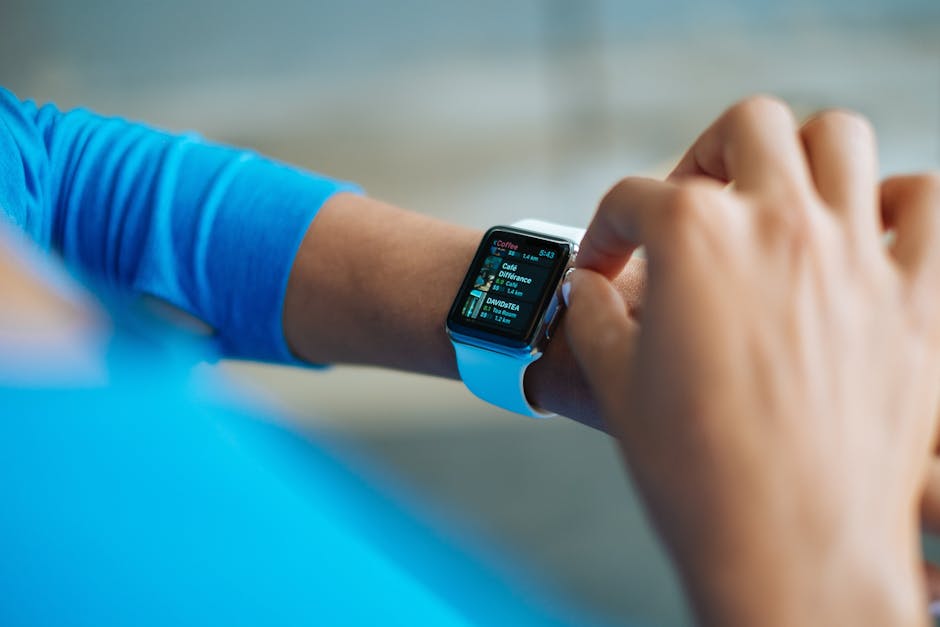
Health Tracking as the New Standard
Step counters were the gateway drug. Now, the bar is higher and broader. In 2026, smartwatches aren’t just about burning calories or logging your morning run. They’re tuning into the full picture: blood oxygen levels, heart rhythm, sleep stages, stress patterns, even your skin temperature. Simply put, fitness is no longer the only measure of well being.
This shift toward whole body awareness is being driven by both tech innovation and user demand. People want more than metrics they want meaning. A low score night’s sleep tied to mood or performance? That’s useful. A gentle nudge to breathe when stress spikes before a meeting? Also useful. And wearables are answering that call, offering up real time insights that go far beyond how many steps you took on your lunch break.
We’re looking at a new baseline: devices that act less like trackers and more like health companions. The trend is clear your watch doesn’t just watch you move, it watches you live.
Feature Showdown: What’s Inside the Latest Models
When it comes to health first smartwatches in 2024, there’s no shortage of contenders. The Apple Watch X is leading the pack with a refined design and expanded health sensors, including next gen ECG and SpO2 tracking. Samsung’s Galaxy Watch 7 keeps pace, offering solid heart rate monitoring, sleep tracking, and HRV based stress analysis in a familiar, polished interface. Meanwhile, Garmin’s Venu 4 sticks to its roots: rock solid fitness and health data, strong battery life, and deep sleep analytics. Fitbit Sense 3 rounds out the group as the all arounder good sensors, an intuitive app, and a focus on wellness metrics like mindfulness and menstrual tracking.
All four watches tackle the big health checks: blood oxygen levels, heart rate variability for stress, sleep cycle insights (light, deep, REM), ECG readings with AFib notifications, and tracking menstrual health alongside skin temperature variability.
But not everything is equal. Where Apple and Samsung shine in ecosystem integration and display quality, Garmin wins endurance lasting days versus hours in some cases. Fitbit aims for balance but may lag in processing speed and third party support. There’s a trade off: richer health data means more power drain. Higher sensor fidelity tends to pull harder on battery life, especially during sleep tracking and 24/7 monitoring.
2024’s smartwatches are less about step counts and more about catching subtle health signals before you feel them. Now, choosing a watch means choosing what you want it to know about you and how often you’re willing to charge it.
Personalized Insights: Smarter Data, Not Just More

Raw data alone doesn’t cut it anymore. The latest smartwatches are moving beyond passive tracking and into personalized, AI powered coaching. Garmin’s Body Battery updates, Apple’s machine learned cardio fitness alerts, and Fitbit’s stress predictions are examples of how these devices aren’t just gathering metrics they’re helping you act on them. Think: “Hey, your heart rate variability dipped last night maybe cool it on the high intensity workouts today.”
Health dashboards play a big role here. Apple Health remains the most polished in terms of UI and integration, but Samsung Health and Fitbit’s new Insights tab are closing in fast. What matters: clean trends, simple recommendations, and the fewest taps to get something done. If you have to dig to understand your body, the tech failed.
Integration is also key. Devices that sync effortlessly with your phone, your calendar, even your smart scale, offer the kind of frictionless experience that keeps users engaged. Forget clunky exports or disconnected apps ecosystem matters more every year. The best watches don’t just measure; they coach, suggest, and fit right into your life without making it harder.
Privacy and Accuracy Concerns
Smartwatches today are vaults of health data. Heart rhythms, blood oxygen, fertility cycles, stress levels we’re handing it over daily. The difference now? Big brands are starting to realize they need to earn back our trust. Apple keeps most of its health data on device and encrypted, while Fitbit and Samsung have made moves to give users more transparency and choice in what gets shared or sold. Still, read the fine print. Just because it’s anonymized doesn’t mean it’s private.
On the accuracy front, the gap is closing between consumer grade wearables and clinical tools. Apple Watch X and Garmin Venu 4 have shown in studies to come close to ECG accuracy for AFib tracking and strong readings in sleep stage breakdowns. Fitbit, on the other hand, still has a few rough edges in HRV and SpO2 reporting consistency. Independent verification is still limited, but what’s out there suggests the top tier watches are finally earning the “health device” label not just the fitness tracker badge.
Then there’s the bigger picture: health insurers are increasingly offering discounts (or penalties) via opt in wellness programs. Share your data, hit your activity targets, and potentially save on your premiums. What’s marketed as a reward system is also a new frontier in behavioral tracking. Vloggers covering wellness tech or lifestyle hacking should start looking beneath the marketing the real story is what this data exchange says about control, consent, and what we value as health.
Choosing the Right Watch for Your Life
Not all users need the same features from a smartwatch and in 2024, the difference between a great fit and a wasted spend comes down to lifestyle. Gym rats want fast, accurate heart rate monitoring, solid GPS, and a battery that won’t die mid run. Biohackers chase comprehensive metrics: blood oxygen, HRV stress readings, and even skin temp trends. Busy parents lean on sleep tracking, easy to read recovery scores, and something that won’t flip out if it gets splashed during bath time. Remote workers? Many value stress notifications, breathing reminders, and a clean integration with work calendars and devices.
When comparing the top models Apple Watch X, Samsung Galaxy Watch 7, Garmin Venu 4, and Fitbit Sense 3 you’ll notice real trade offs. Apple leads with polish and iOS integration, but its battery is still just okay. Garmin punches above its weight in endurance and data depth, ideal for performance fans. Fitbit keeps things simple but useful, with solid stress and sleep tools. Samsung’s offering is a solid all rounder, especially for Android users.
Best picks by priority:
For heart health tracking and ECG: Apple Watch X or Samsung Galaxy Watch 7
For stress and recovery insights: Fitbit Sense 3
For long battery life: Garmin Venu 4 (multi day stamina without feature drop off)
For budget conscious buyers: Fitbit Sense 3 offers top tier wellness for a mid tier price
Ultimately, don’t chase specs for their own sake. Choose what supports your lifestyle, then check if it syncs well with what you already use. Seamless beats shiny, every time.
Device or Distraction? What to Know Before You Buy
Smartwatches promise 24/7 insight into your body but too much tracking can backfire. Constant pings about your resting heart rate, stress levels, or sleep quality aren’t always helpful. Sometimes, they just spike your anxiety. It’s ironic, but the device designed to make you healthier can also be your biggest stressor.
The key is learning to filter. Set boundaries: turn off non essential alerts, schedule data check ins instead of checking stats after every workout or poor night’s sleep. Smart doesn’t mean constant. Smart means intentional.
Some models are better than others at streamlining what gets your attention. Look for custom notification settings and daily summaries rather than raw, nonstop metrics. If your health watch becomes a nag instead of a guide, it’s not helping it’s distracting.
Bottom line: The best health tracking setup adapts to you not the other way around.
(If you’re curious how other devices are stacking up in performance: Ultrabooks vs. Gaming Laptops Showdown)