
Design & Build
Materials & Finish
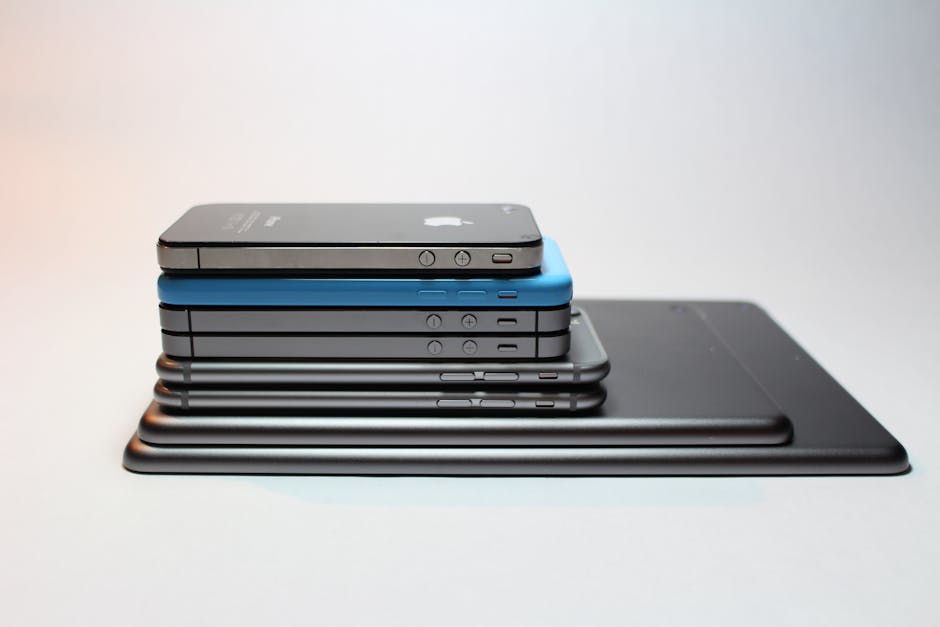
The iPhone 15 leans into Apple’s signature aerospace grade aluminum lightweight, clean, and familiar. It’s no slouch in terms of durability or style, but Samsung’s Galaxy S24 fights back with its Armor Aluminum frame. It’s slim but tougher, with a slightly more modern aesthetic. You won’t bend either in your pocket, but the S24 feels a bit more industrial less polished but more rugged.
Size & Weight
On paper, the differences are minor. In hand, they’re noticeable. The iPhone 15 is a touch heavier it gives off that classic dense, premium Apple feel. The Galaxy S24 keeps it leaner and a bit thinner. For all day carry, you’ll feel the difference, especially if you’re coming from an older, heavier device.
Display
Here’s where preferences split. The iPhone keeps its Dynamic Island a love it or ignore it multitasking hub that replaces the notch in a cleaner way. Samsung, meanwhile, packs an Always On Display that’s genuinely useful, especially when paired with the S24’s adaptive 120Hz refresh rate. Both OLED panels are crisp and bright, but the S24 gives more control, more real estate, and more info at a glance.
Durability
Both phones come with IP68 water and dust resistance, so spills and splashes are non issues. Where Samsung edges ahead is its protection Gorilla Glass Victus 2 toughens up the front and back, outclassing the standard ceramic shield on the iPhone 15 in scratch resistance and drop protection. It won’t make your phone invincible, but it buys you a margin of safety the iPhone doesn’t quite match.
Performance & Speed
When it comes to raw performance, both the iPhone 15 and the Galaxy S24 bring serious firepower but in different ways. Apple’s A16 Bionic chip stays on brand with tight integration and efficient power use. It’s not just fast in a benchmark sense it’s smooth, reliable, and hardly ever breaks a sweat. The Snapdragon 8 Gen 3 powering most Galaxy S24 models is no slouch either. In fact, it edges ahead in some GPU heavy tasks and multitasking scenarios, especially when paired with Samsung’s optimization layers on top of Android 14. That said, if you’re in a region with the Exynos version, expect a slight dip in sustained performance under load.
Everyday use? Both phones handle multitasking, gaming, and app switching without noticeable lag. The iPhone offers predictability it’ll open apps, render videos, and shoot 4K with zero hesitation. The Galaxy S24, especially the Ultra, feels built for power users who juggle split screens and memory heavy tasks. The difference? Not dramatic to the average user. If you’re pushing limits, though, you’ll start to notice the S24’s advantage in RAM.
Speaking of RAM: the iPhone 15 sticks with its 6GB LPDDR5, banking on software efficiency. The Galaxy S24 comes with 8GB or more, and it shows. Fewer refreshes when jumping between apps, smoother background tasks, and better handling of large games or editing apps. In terms of thermal performance, both phones handle sustained use well, although the S24 can run warmer under extended GPU stress. Battery efficiency slightly favors the iPhone, thanks again to Apple’s tight hardware software loop. You’ll get more screen time per charge in mixed use but Samsung isn’t far behind.
Bottom line: If you want brute mobile performance with a multi window edge, the S24 (Snapdragon model) is hard to beat. If your priority is long term stability and overall efficiency, the iPhone 15 still holds its ground.
Camera Capabilities
Both the iPhone 15 and Galaxy S24 shoot with 48MP main sensors, but it’s how they process the image that separates them. Apple leans into natural tones and a clean, cinematic finish straight out of the camera. Samsung, on the other hand, saturates its colors and sharpens details for a more vibrant, in your face look. What you prefer depends on whether you want photos ready for printing or Instagram pops.
When it comes to zoom and ultrawide, the S24 pulls ahead. Apple is still playing it safe with a 2x telephoto lens, while Samsung boosts its 10x digital zoom through smarter image stacking and post processing. It’s not true optical zoom, but it gets surprisingly close. For wide shots, both phones capture a ton of detail, though Samsung’s ultrawide edge distortion is a bit more controlled.
For video, it’s a toss up based on style. iPhone’s Cinematic Mode adds that shallow depth of field effect and auto focus shifts for storytelling. Samsung stakes its claim with Super Steady mode great for action shots, less ideal for drama. If you walk and talk a lot on camera, Samsung’s stabilization wins points.
AI imaging is a strong point for both. Apple’s Photonic Engine handles low light well without turning night into day. Samsung adds more flair think real time object erasing, AI generated edits, and portrait boosting that pushes skin tones and depth. In short: iPhone gets out of your way, Samsung wants to help you do more with what you shoot.
Battery Life & Charging
Endurance Comparison
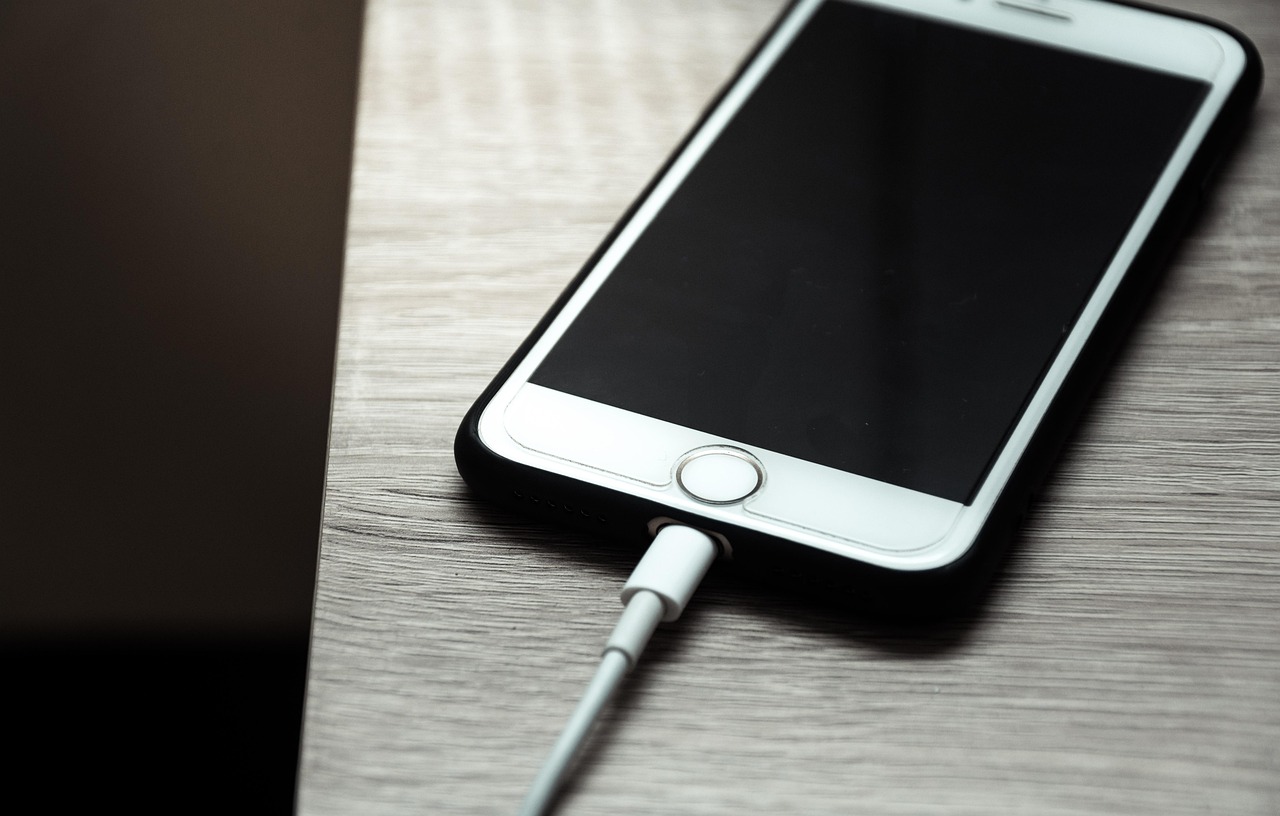
When it comes to day to day battery performance, both the iPhone 15 and Samsung Galaxy S24 hold their own, but with different strengths:
iPhone 15 leans on smart battery optimization thanks to Apple’s tight hardware software integration. Features like app background refresh control and adaptive charging help preserve battery health and extend usable time.
Galaxy S24 brings more raw power to the table with a larger battery capacity. Combined with efficient chipsets and software improvements, it holds up strong under heavy use especially in gaming or video intensive scenarios.
Bottom line: Apple gives you smarter conservation; Samsung gives you more to work with upfront.
Charging Speed
Fast charging is where Samsung pulls ahead:
Samsung Galaxy S24 supports up to 45W wired charging, juicing the battery significantly in a short time.
iPhone 15, while improved, still caps at around 20W wired better suited for overnight charging or less urgency.
That said, Apple’s MagSafe feature continues to be a strong differentiator, offering magnet aligned wireless charging and an array of compatible accessories.
Wireless Charging
Wireless charging is supported on both phones, but compatibility and performance differ:
Samsung supports fast wireless charging and reverse wireless charging (Wireless PowerShare), which lets you charge accessories like earbuds or another phone.
iPhone 15 primarily utilizes MagSafe, offering consistent 15W charging with certified accessories, though third party options are more limited due to Apple’s Made for iPhone (MFi) standards.
Takeaway:
Samsung excels in charging speed and versatility
Apple focuses on user experience and ecosystem tight integration
Whichever you choose, both devices offer reliable power features but with different philosophies in approach.
Software & Ecosystem
The battle between iOS 17 and One UI 6 (built over Android 14) is less about raw power and more about preference. iOS 17 sticks with Apple’s trademark: tight integration, minimal clutter, and a polish that’s hard to argue with. It feels clean, fast, and consistent especially if you’re already deep in the Apple universe. Everything from AirDrop to FaceTime just works.
On the other side, One UI 6 brings more freedom. You want custom icons, gesture controls, split screen apps, or a file system that behaves like a desktop? Android delivers. Samsung adds its own spin, too with power tools like Samsung DeX turning your phone into a workstation. And if you go for the Ultra, the S Pen gives productivity a boost that Apple still hasn’t matched natively.
In terms of updates, Apple remains the gold standard with iPhone 15 likely getting major iOS updates into the 2030s. Samsung’s catching up, though. Their newer promise of four years of OS updates and five of security patches is no joke and it means Android fans aren’t left behind as much as they used to be.
Bottom line: iPhone gives you cohesion and longevity. Galaxy gives you flexibility and features. Your workflow and your ecosystem loyalty will tip the scale.
Price & Value
At the base level, the iPhone 15 starts at around $799, while the Galaxy S24 kicks off slightly lower at $749. Prices climb quickly as you move up the tiers. The iPhone 15 Pro Max Apple’s top configuration sits at $1,199 minimum, compared to the Galaxy S24 Ultra, which starts at around $1,299.
But it’s not just about sticker price. Value depends on what each user type needs.
For casual users think everyday social media, photos, calls, and streaming the base Galaxy S24 offers solid all around performance and a bit more bang for the buck. iPhone 15 is no slouch either, especially if you’re already in the Apple ecosystem but you’re paying a premium for polish, build, and software longevity.
Power users mobile gamers, content creators, heavy multitaskers may lean toward the higher tier Galaxy S24 Ultra. Its larger display, expanded RAM, and stylus support (S Pen) offer raw flexibility. Meanwhile, Apple’s Pro and Pro Max variants fire back with deep integration, pro grade video tools, and unbeatable longevity in software support.
Bottom line: neither phone is cheap at the top end, but the real question is what you need and what you’ll actually use. Power isn’t always practical especially if all you’re doing is sending memes and scrolling feeds.
Final Thoughts
Choosing the Right Flagship: It’s All About Fit
When it comes to the iPhone 15 vs. Samsung Galaxy S24, the real winner isn’t universal it depends on your lifestyle, preferences, and ecosystem ties. Both devices deliver premium features, but they cater to slightly different user habits.
Consider Your Priorities:
Need seamless integration with your laptop, tablet, or smartwatch?
iPhone 15 shines within the Apple ecosystem (Mac, iPad, AirPods, etc.)
Want maximum customization and flexibility?
Galaxy S24 offers Android’s openness along with Samsung’s added features
Value long term updates and resale potential?
Both deliver, but Apple traditionally has the edge on software longevity and resale value
Ecosystem Commitments Matter
If you’re already invested in either Apple or Samsung’s suite of services and accessories, switching comes with trade offs. Think about the devices and services you already use:
Apple users benefit from continuity across iCloud, AirDrop, FaceTime, and more
Samsung/Android users enjoy Samsung DeX, file sharing flexibility, and stronger customization
In the end, your daily needs and digital environment should guide your purchase more than spec sheets alone.
For more in depth comparisons, industry insights, and upcoming smartphone news, visit ETRS Tech News. Stay informed, stay ahead.